
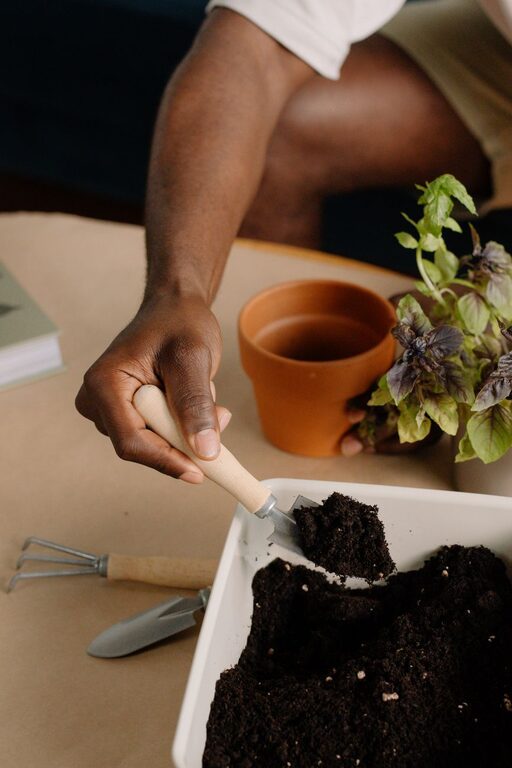
Starting a small herb garden indoors is a rewarding way to enjoy fresh flavors right from your kitchen. Whether you have limited outdoor space or want herbs all year round, indoor gardening lets you grow herbs easily at home. This guide will walk you through everything you need to know to get started, from selecting herbs to caring for them in your living space.
Why Start an Indoor Herb Garden?
Growing herbs indoors offers several benefits:
– Freshness: Harvest herbs anytime to enhance your cooking.
– Convenience: No need to buy herbs from the store or worry about them wilting.
– Space-saving: Perfect for apartments or homes without a garden.
– Year-round growth: Indoor conditions protect plants from seasonal changes.
With just a few pots, some soil, and good light, you can create a productive herb garden on your windowsill or countertop.
Choosing the Right Herbs
Not all herbs thrive indoors equally. Some are easier to grow than others, making them ideal for beginners.
Best Herbs for Indoor Gardening
– Basil: Loves warmth and sunlight, great for Italian dishes.
– Parsley: Versatile and hardy, prefers moderate light.
– Mint: Grows quickly but can spread aggressively; keep it contained.
– Chives: Tolerant of lower light and easy to maintain.
– Thyme: Requires bright light and well-drained soil.
– Oregano: Prefers sunny spots and dry soil conditions.
– Cilantro: Grows best in cooler indoor temperatures.
Choose herbs you use frequently in cooking or enjoy fresh aromas from.
Selecting Containers and Soil
Containers
Pick pots with drainage holes to prevent waterlogging and root rot. You can use:
– Traditional clay or ceramic pots
– Plastic pots
– Repurposed containers like jars or tins with holes added
Avoid containers without drainage unless you add a layer of gravel for excess water.
Soil
Use a high-quality potting mix formulated for indoor plants. Avoid garden soil, which can be too dense and may contain pests. A good potting mix ensures proper aeration and water retention.
Finding the Right Location
Herbs need sunlight to grow well indoors. Aim for a spot that provides:
– At least 6 hours of direct sunlight a day, such as a south-facing window.
– Good air circulation but away from drafts or heating vents.
If natural light is limited, consider using a grow light designed for plants. LED grow lights are energy-efficient and effective for herb growth.
Planting Your Herb Garden
Starting from Seeds vs. Starter Plants
– Seeds: More affordable and offer more variety, but take longer to grow.
– Starter plants: Ready to use and faster to harvest, great for beginners.
Follow seed packet instructions for depth and spacing. When planting starter herbs, loosen the roots gently before potting to encourage growth.
Planting Steps
- Fill your container with potting mix, leaving about an inch from the top.
- Plant seeds or seedlings at the recommended depth.
- Water gently until soil is moist but not soaked.
- Place the pot in your chosen spot.
Caring for Your Indoor Herbs
Watering
Herbs generally prefer slightly moist soil but not soggy. Water when the top inch of soil feels dry. Overwatering can cause root rot, so ensure good drainage.
Light Needs
Rotate pots every few days to ensure even growth and prevent plants from leaning toward light.
Fertilizing
Feed herbs monthly with a diluted, balanced liquid fertilizer to keep them healthy.
Pruning and Harvesting
Regularly pinch off leaves to encourage bushier growth and prevent flowering, which can make herbs bitter. Harvest herbs in the morning for the best flavor.
Troubleshooting Common Problems
– Yellowing leaves: Usually from overwatering or poor drainage.
– Leggy plants: Not enough light; move them to a brighter spot or use grow lights.
– Pest issues: Occasionally, indoor herbs may attract aphids or spider mites. Wipe leaves with a damp cloth or use insecticidal soap if needed.
Tips for Success
– Start small: Begin with 2-3 types of herbs to manage care easily.
– Use labels: Mark your pots so you remember which herb is which.
– Keep experimenting: Try different herbs to find what grows best in your space.
– Enjoy the process: Growing herbs indoors is fun and adds life to your home.
Conclusion
Starting a small herb garden indoors is both simple and enjoyable. With proper light, watering, and care, you can grow fresh, flavorful herbs right at home. Whether for cooking or decoration, your indoor herb garden will bring green joy to your living space and your meals.
Happy gardening!