
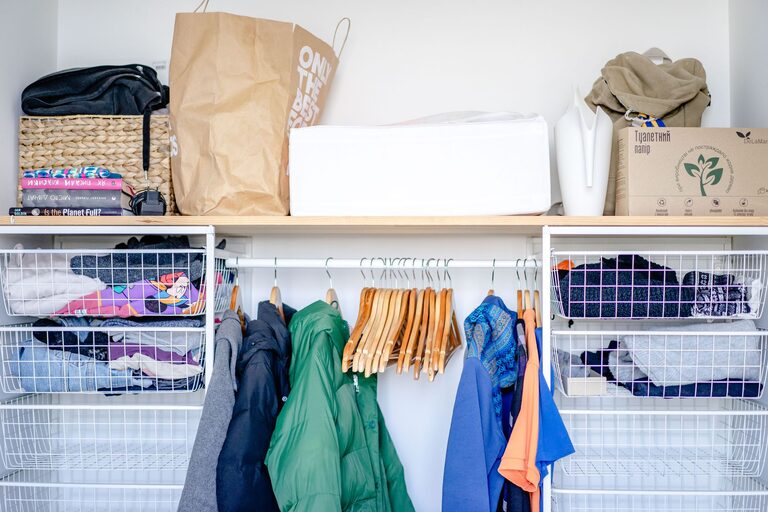
Storing seasonal clothes efficiently can save you space, keep your wardrobe organized, and protect your garments throughout the year. Whether you’re packing away bulky winter coats or delicate summer dresses, having a system in place helps you find what you need when the season changes. In this guide, we’ll explore practical tips for storing your seasonal clothes so they stay fresh, wrinkle-free, and ready to wear.
Why Proper Storage Matters
Before diving into tips, it’s important to understand why storing seasonal clothes properly matters:
– Protects fabrics from dust, moisture, and pests
– Saves space by reducing clutter in your everyday closet
– Extends the life of your clothing by preventing damage
– Makes seasonal transitions easier and faster
Now, let’s look at how to get started.
Step 1: Declutter Your Wardrobe
Before packing away any clothes, take time to evaluate your wardrobe.
Sort Through Your Clothes
– Separate items into categories: keep, donate, repair, or discard
– Be honest about what you actually wear each season
– Repair any damaged clothes before storing them
This step helps reduce the amount you need to store and ensures only usable items take up space.
Step 2: Clean Clothes Thoroughly
Always clean your clothes before storing them.
– Wash or dry clean items to remove stains and odors
– Make sure clothes are completely dry to avoid mildew and mold
– Follow care labels for the best cleaning methods
Clean clothes stored away stay fresher and prevent attracting insects like moths.
Step 3: Choose the Right Storage Solutions
Selecting the best storage containers keeps your clothes protected and organized.
Types of Storage Options
– Plastic bins with lids: Great for airtight protection, stackable
– Fabric storage bags: Breathable and lightweight, ideal for delicate items
– Vacuum-sealed bags: Save space by compressing bulky clothes, but avoid long-term storage with delicate fabrics
– Under-bed storage containers: Utilize unused space efficiently
– Storage boxes with dividers: Perfect for smaller items like scarves and hats
Label Your Storage
Label boxes and bags clearly by category or season. This saves time when you need to retrieve specific items.
Step 4: Use Proper Folding and Packing Techniques
How you fold and pack clothes affects their condition when stored.
Folding Tips
– Fold clothes neatly to minimize wrinkles
– For bulky sweaters, fold loosely to maintain shape
– Use tissue paper between delicate fabrics to prevent creases
Packing Tips
– Avoid overstuffing containers, allowing air circulation
– Place heavier items at the bottom and lighter ones on top
– Use sachets or cedar blocks inside containers to repel insects and keep clothes smelling fresh
Step 5: Store Clothes in a Suitable Environment
The right environment plays a big role in preserving clothes.
– Store containers in cool, dry places away from direct sunlight
– Avoid damp areas like basements or garages unless properly sealed
– Ensure good airflow around storage containers to prevent moisture buildup
Step 6: Maintain and Rotate Your Clothes Seasonally
Make seasonal clothing swaps part of your routine.
– Take clothes out at the start of each season to air them out
– Inspect stored clothes for any damage or pests
– Rotate pieces as needed to keep your wardrobe fresh
Additional Tips for Specific Garments
Winter Clothes
– Use padded hangers for coats to keep shape
– Consider garment bags for wool or down jackets
Summer Clothes
– Store delicate fabrics like linen in breathable bags
– Fold swimsuits and lightweight items separately
Conclusion
Efficiently storing seasonal clothes is all about preparation, the right materials, and consistent care. By decluttering, cleaning, choosing suitable storage, and maintaining your clothes, you can keep your wardrobe organized and your garments in great condition. This makes dressing for any season a stress-free experience while maximizing your living space.
Try these tips this season and enjoy the benefits of a tidy, well-managed closet all year long!